𝗛𝗘𝗥𝗕𝗔𝗟 𝗠𝗘𝗗𝗜𝗖𝗜𝗡𝗘 𝗜𝗡𝗧𝗘𝗚𝗥𝗔𝗧𝗜𝗢𝗡 𝗜𝗡𝗧𝗢 𝗣𝗨𝗕𝗟𝗜𝗖 𝗛𝗘𝗔𝗟𝗧𝗛𝗖𝗔𝗥𝗘
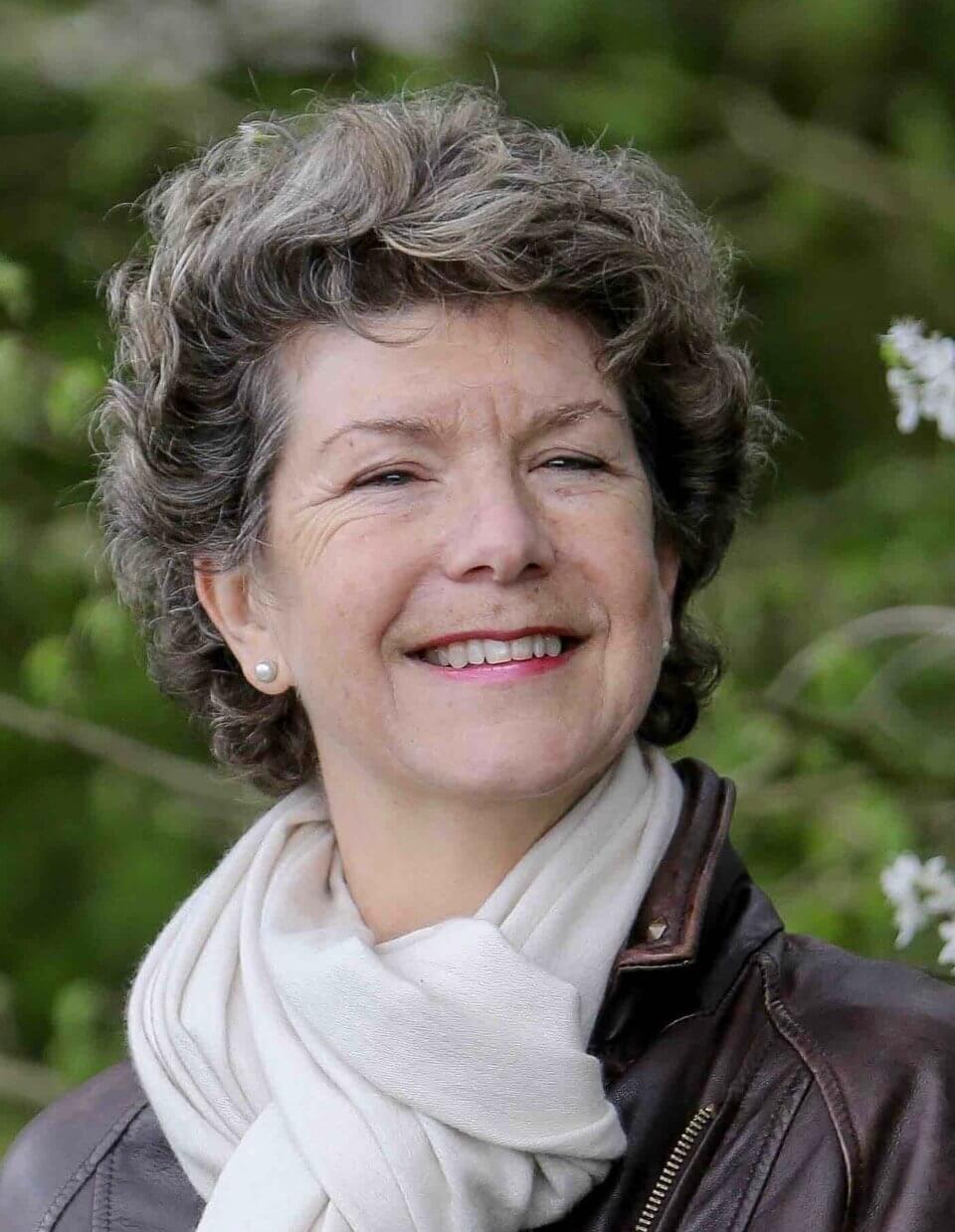
By Alex Laird
Taken from the Autumn edition of Power of Plants Magazine a special issue dedicated to exploring collaboration in herbal medicine. Across the profession, herbalists are working hand in hand with doctors, pharmacists, scientists, and communities to create a more connected and compassionate healthcare system.
Alex Laird shows us how herbal medicine can play a greater role in public healthcare. Collaboration and community are key. Herbalists have always thrived by sharing knowledge through festivals, community clinics, herb clubs, and local partnerships. These collective efforts are helping to reconnect people to plants, nature, and the principles of holistic well-being.
Community herbal projects, such as the Jungle Community initiative that began in 2000, show how grassroots work can create long-term impact. The challenge now is to strengthen partnerships between herbalists and healthcare providers, and to make herbal medicine more accessible within the NHS and beyond.
Clinical Practice and Community Education: There are two main ways to spread herbal medicine health education: through clinical practice and community education
🌿 Building a Local Network
New practitioners can start by connecting with local clinicians, physiotherapists, osteopaths, GPs, midwives, and health visitors to share knowledge and build solidarity. Simple collaborations, such as a lunchtime talk on food-as-medicine or a short herb walk, can help start meaningful relationships and patient referrals.
Each successful referral strengthens community trust and helps herbalists establish a more self-sufficient practice. Patients often appreciate care that integrates both holistic and medical perspectives.
🌿 Integrative Medicine in an NHS Setting
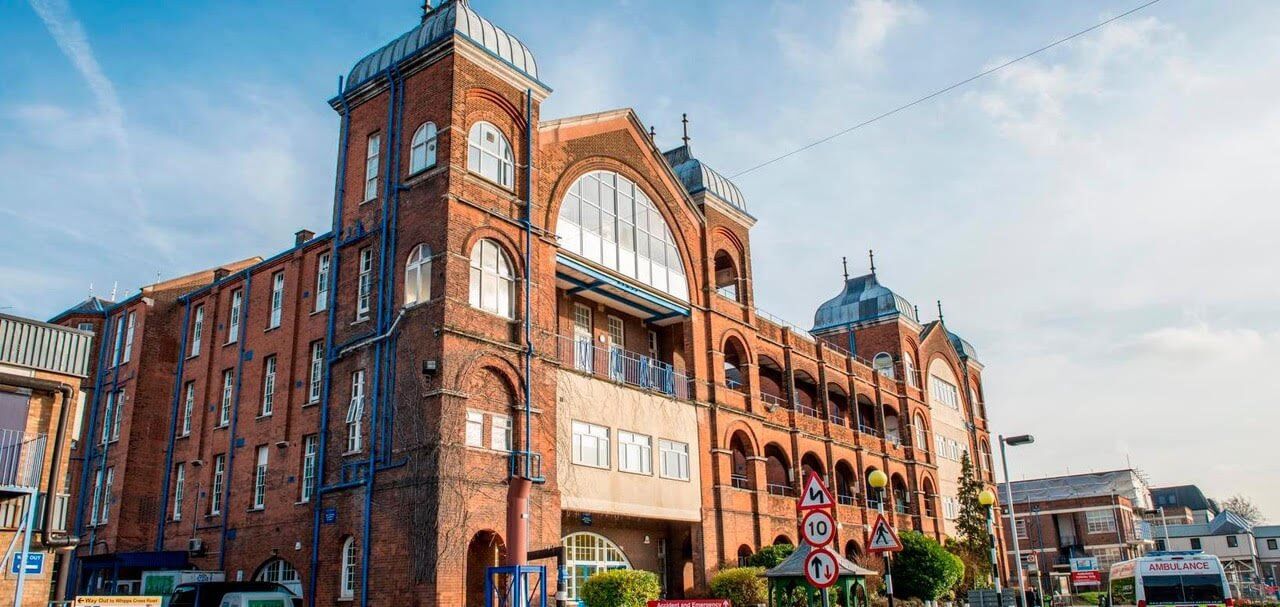
Working within the NHS offers a unique opportunity for collaboration. Early in my career, I partnered with dermatologist Professor Anthony Bewley to set up a herbal teaching clinic at Whipps Cross Hospital in 2000.
This pioneering clinic allowed medical and herbal students to observe how herbal medicine could complement dermatological care. The clinic remains open to professional herbal colleges, students, and clinicians both online and in person enabling direct experience within the NHS framework.
True healthcare depends on a holistic approach and shared therapeutic wisdom. The Whipps Cross model shows how integrative medicine can flourish within public healthcare and inspire others to follow suit.
🌿 Community Clinics
Community-based herbal clinics are vital to improving access to herbal care and education. Practitioners such as Becs Griffiths and Annwen Jones (Rhizome Clinic, Bristol) and Melissa Ronaldson (The Herbal Barge, London) have developed creative, forward-thinking models of community herbal practice.
These clinics demonstrate how collaboration, education, and resource-sharing can make herbal care both sustainable and inclusive. Some practitioners also run mobile or pop-up clinics, attend festivals, or provide herbal first aid training expanding the reach of herbal medicine to new audiences.
For those wanting to learn abroad, community clinics in places like Nicaragua, the USA, and Europe offer inspiring models of practice and international collaboration.
🌿 Herbal Education in the Community: Sharing Herbal Knowledge Locally
There’s growing public interest in safe, food-based herbal knowledge particularly where formal health education is lacking. Herbalists can meet this need through walks, talks, and workshops that teach people how to use common plants for wellbeing.
These can be offered independently or in partnership with other herbalists, schools, and local organisations. Community engagement not only spreads herbal knowledge but also builds stronger local health networks.
🌿 Living Medicine: Growing Health Together
My project, Living Medicine, grew from the idea that people learn best through practical connection, touching, tasting, and working with plants.
We began with children’s workshops and gradually expanded to include community projects with diverse groups, including elders, cultural organisations, and community gardens. Together with herbalist Lorraine Luke, we’ve worked with African-Caribbean elders, family groups, and schools to rediscover traditional plant wisdom.
Living Medicine now offers a five-part course called Introduction to Self Care, hosted annually at the Chelsea Physic Garden and in other cities such as Edinburgh. These workshops empower participants to take charge of their health through food, herbs, and self-care education.
🌿 NHS Social Prescribing
Social prescribing is an important bridge between herbalists and the NHS. It connects patients to community-based health-promoting activities, such as herbal courses, gardening groups, and nutrition workshops. Herbalists can play a key role in delivering these initiatives as part of local wellbeing networks.
Living Medicine’s Foods & Herbs for Health course, for example, is a 10-part program for patients and the public that focuses on common health problems. Delivered with councils and charities, it’s designed to be simple, practical, and adaptable for local needs.

💡 Tips for Herbal Practitioners and Educators
Looking to integrate herbal medicine into your practice or community work? Here are some practical ideas and useful links to help you get started.
Learn from other countries
See how herbalists collaborate internationally for example, Ireland’s Herb Patch project, which supports herbal integration at a community level.
https://www.theherbpatchireland.com
Make friends with plant people
Connect with bushcraft teachers, botanists, and foragers these collaborations expand your knowledge of edible and medicinal plants. Check out forager Miles Irving’s work: https://www.forager.org.uk
Volunteer or train with Living Medicine
Join Living Medicine’s 5-part course to learn how to design and deliver herbal education programs for your local community.
https://www.livingmedicine.org/courses.htm
You can also take part in sessions at:
Chelsea Physic Garden (London)
https://www.chelseaphysicgarden.co.uk/event/living-medicine-skin-and-first-aid
Marlow – with Alice Nugent
alice@hippopot.co.uk
Edinburgh – with Nijen Askel
nijenaskel@btinternet.com
Subscribe and connect
Join the Social Prescribing Network to link with others who are delivering community-based health projects.
https://www.socialprescribingnetwork.com
Join the College of Medicine
The College of Medicine connects integrative practitioners, herbalists, and healthcare providers. It’s an excellent resource for training, research, and networking.
https://collegeofmedicine.org.uk
Get involved locally
Find your Community & Voluntary Sector Organisation, NCVO, or local Community Development Agency to collaborate on herbal education and wellbeing projects.
https://www.ncvo.org.uk
You can also partner with:
-
Community gardens
-
Family, parent, or women’s groups
-
Faith-based and cultural organisations
-
Food banks and community kitchens
These connections often lead to introductions, funding, and new project opportunities.
📚 Further Reading
Western Herbal Medicine as a Useful Adjunct to Traditional Dermatological Practice Kentley et al., Clinical and Experimental Dermatology (2018). HerbalpaperJKentleyfinal2016
For more information email Alex Laird alex.laird@livingmedicine.org
Full members can enjoy Alex’s full article in our Autumn edition of our Power of Plants Magazine. If you’re not a member but would love to read more, you can pick up a copy in our shop!