Skip to content

Collaboration at the Heart of Herbal Healthcare

How partnerships are shaping the future of integrative medicine

By Marion Mackonochie, Medical Herbalist, Consultant and Author

Marion’s article is taken from the Autumn edition of Power of Plants Magazine a special issue dedicated to exploring collaboration in herbal medicine. Across the profession, herbalists are working hand in hand with doctors, pharmacists, scientists, and communities to create a more connected and compassionate healthcare system.

In this extract, medical herbalist and author Marion Mackonochie shares how collaboration has been a guiding force throughout her career from her early days running a herbal shop in Brighton to her research with universities, healthcare professionals, and the herbal industry.

🌿 Collaboration: The Root of Herbal Progress

Throughout my herbal journey, collaboration has always brought the most joy and the greatest results. Herbal medicine thrives in community in conversation, exchange, and shared learning.

For five years, I co-ran a herbal shop and advice centre in Brighton with three other herbalists. While it wasn’t a commercial success, it became something far more valuable: a local hub for connection, curiosity, and conversation about plants and health.

We were fortunate to be joined often by Barbara Griggs, the much-loved author of New Green Pharmacy, whose writing reminds us that herbal medicine evolves continuously alongside the society it serves. Even pharmacists from nearby would send customers to us for advice grateful for a trusted source of evidence-based herbal knowledge.

🌿 Bridging Herbalism and Pharmacy

One pharmacist I met during my time at the UCL School of Pharmacy was Dr Sukvinder Kaur Bhamra, Senior Lecturer at the University of Kent. Her PhD focused on medicinal plant use, and she continues to champion better herbal and nutritional education for pharmacists.

Dr Bhamra recognises that herbalists bring something unique to healthcare:

“Herbalists often consider a more holistic approach to health and wellbeing, which conventional healthcare professionals do not have the scope for.”

She also highlights the herbalist’s strength in blending herbs for synergy and believes pharmacists “need a better understanding of what herbalists can do and how they can fit in with mainstream medicine.”

Her vision shared by many is for interprofessional education events bringing together herbalists, medics, nurses, midwives, and paramedics to learn from each other.

As public interest in herbal medicine continues to grow, this is the moment for herbalists to ensure their voices are heard and their expertise recognised within collaborative healthcare teams.
🌿 Research, Partnerships and Discovery

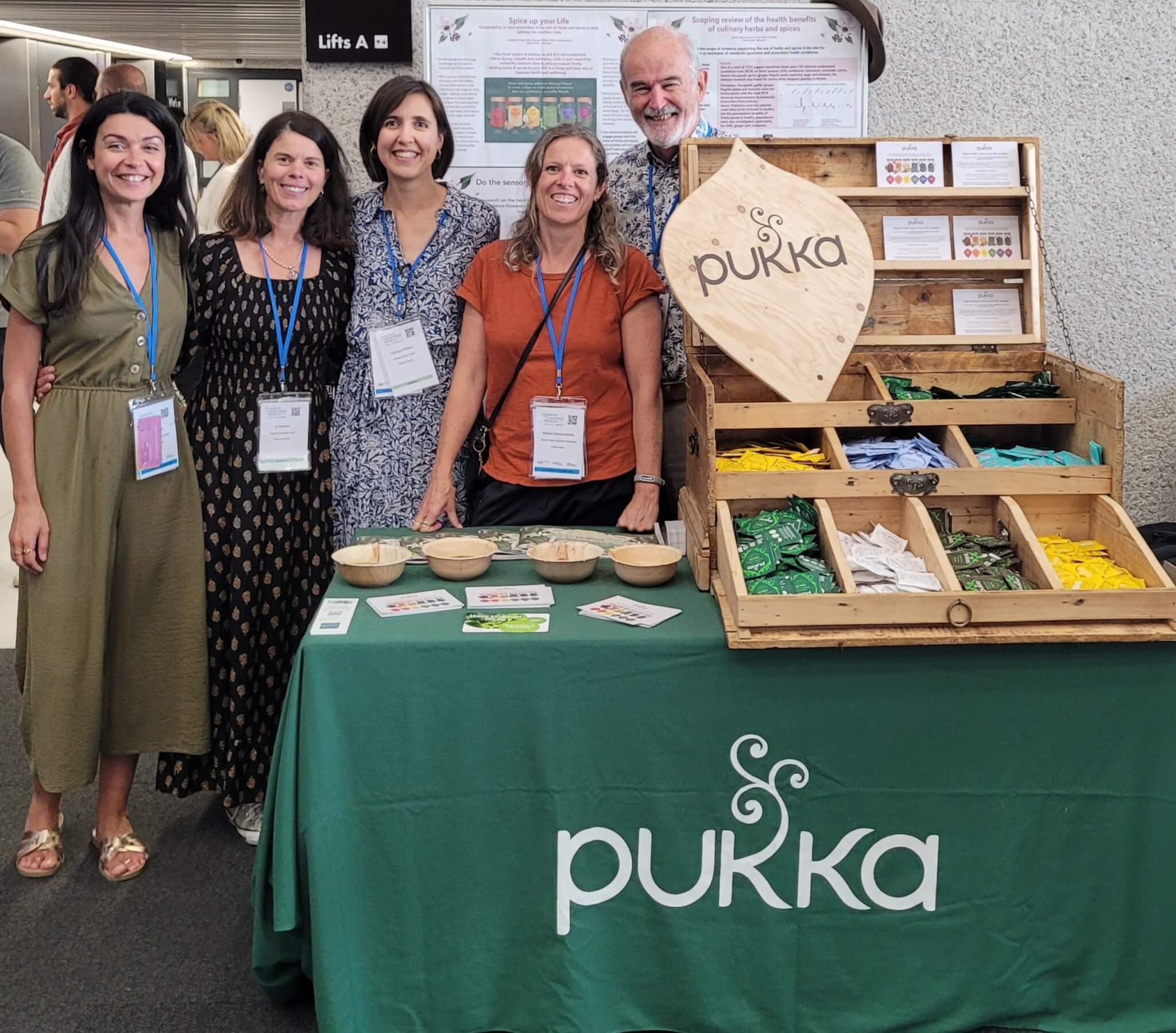
My Master’s degree at UCL opened doors to a new kind of collaboration one that combined tradition with science. At Pukka Herbs, I worked with academics and researchers to explore the evidence behind medicinal plants and bring herbal medicine into mainstream research conversations.

Our small research team:

  • Funded PhD students and clinical trials relevant to real-world herbal use

  • Partnered with nutritionists, doctors, microbiologists, and sustainability experts

  • Published studies showing the antiviral and anti-inflammatory effects of elderberry syrup and the muscle-supporting benefits of shatavari

  • Identified herbs that nurture a healthy microbiome, such as triphala, ginger, and liquorice

Together, we demonstrated that even a simple cup of herbal tea can offer meaningful health benefits evidence that bridges traditional practice and modern science.

🌿 Herbs at the Table of Public Health

In my final years at Pukka, I helped lead a campaign to introduce more people to the health benefits of herbs whether or not they had access to a herbalist.

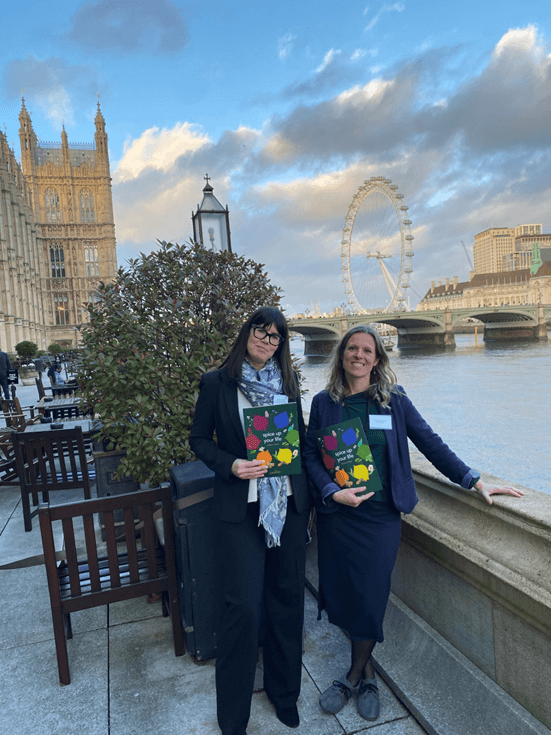
Working with Dr Ana Rodriguez-Mateos from King’s College London, we reviewed research on culinary herbs and spices and presented a white paper at Parliament, advocating for their inclusion in the UK’s official dietary guidelines.

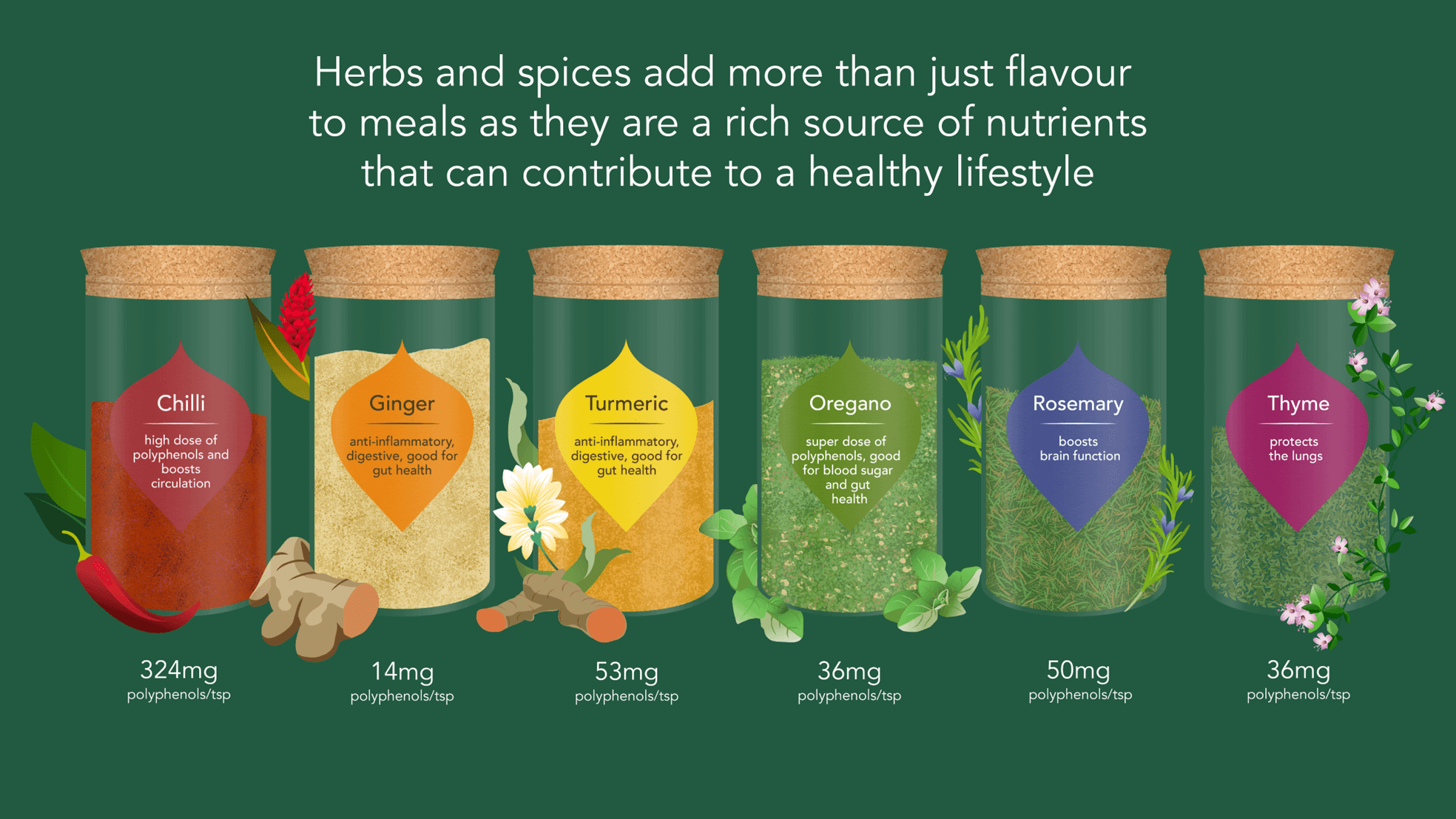
The findings were clear: even small, everyday quantities of herbs a pinch of oregano, a sprinkle of cinnamon, or a cup of mint tea can improve cardiometabolic health and help prevent chronic disease.

This is where herbalists can have a major public-health impact: by promoting food-based, preventive approaches to wellness.

🌿 Collaboration in Action

Collaborative projects across the UK are showing what’s possible when herbalists work alongside mainstream healthcare.

At Whipps Cross Hospital, herbalist Alex Laird runs a dermatology clinic that operates within the NHS. It gives medical students the chance to see herbalism in practice and demonstrates how integrative healthcare can work in real time.

The Herbal Reality platform also features a growing library of collaborative initiatives from educational partnerships to community projects highlighting herbalists working with doctors, nutritionists, and scientists for the public good.

🌿 A Call to Collaborate

Herbalists are a diverse and resourceful community. We teach, research, write, grow, and care. This diversity gives us countless opportunities to collaborate with others who share our vision for better health from GPs and pharmacists to gardeners and chefs.

Just as a diverse diet nurtures a healthy gut, a diversity of partnerships nurtures a vibrant, resilient herbal profession.

This is a call to action for all herbalists: Collaborate. Share knowledge. Build bridges.

Together, we can help more people experience the power of plants and the healing potential of working side by side.


📍 Marion Mackonochie is a Medical Herbalist, Consultant, and Author.
🔗 https://www.fieldremedies.com

Full members can enjoy Marion’s full article in our Autumn edition of our Power of Plants Magazine. If you’re not a member but would love to read more, you can pick up a copy in our shop!